
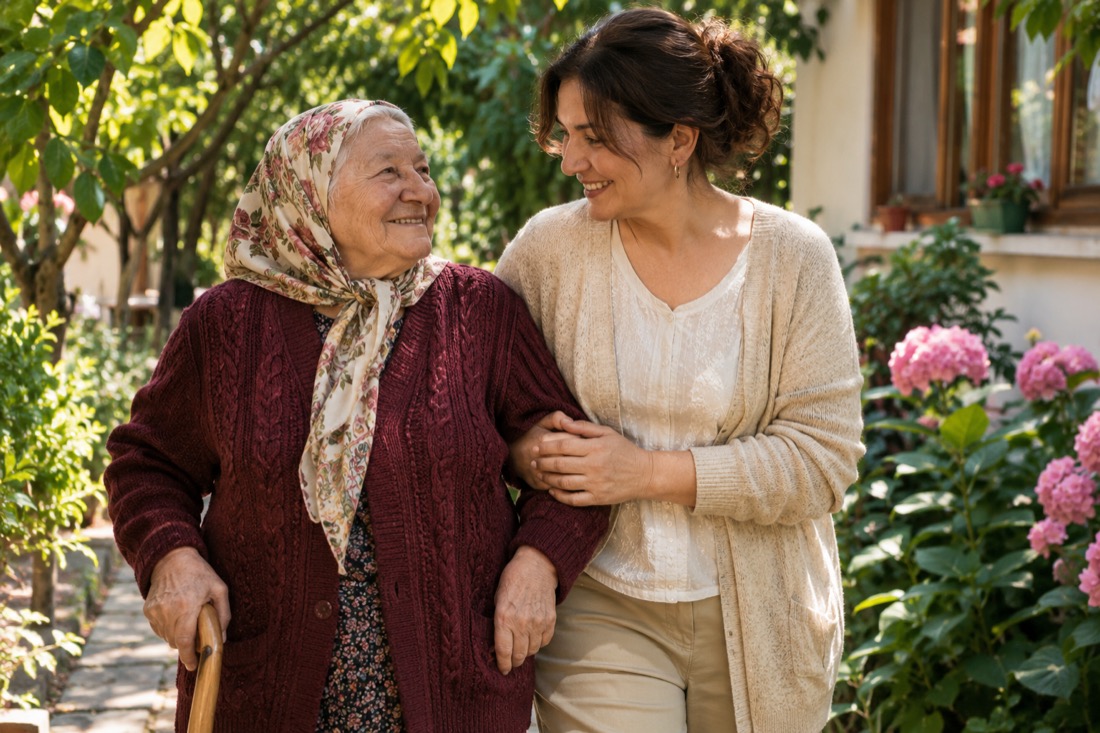
Age-related changes can affect daily habits. Reduced muscle strength, limited mobility and health conditions may change older adults’ personal care needs.
Urinary incontinence is one possible challenge. Difficulty controlling urine can affect social life and independence.
Appropriate care habits and support can help maintain comfort in later life.
How Does Ageing Affect Bladder Control?
Bladder capacity, bladder muscle function and pelvic floor strength can change with age.
Chronic conditions, medicines and limited mobility may also affect bladder control.
Symptoms that may occur in later life include:
- Frequent urination
- Getting up at night to use the toilet
- A sudden need to urinate
- Not reaching the toilet in time
- Dribbling after urination
- Involuntary urine leakage
These symptoms should not be attributed only to ageing. Medical assessment is needed to identify underlying causes.
How Does Limited Mobility Affect Urinary Incontinence?
Joint conditions, muscle weakness or balance problems may make it harder for some older adults to reach the toilet.
This can cause leakage before reaching the toilet even when bladder control is otherwise normal.
To make daily life easier, consider:
- Keeping routes to the toilet clear
- Providing adequate lighting at night
- Preventing slippery floors
- Choosing clothes that are easy to put on and remove
- Offering toilet assistance at appropriate intervals
These steps are important.
What Matters When Caring for Older Adults?
Care for older adults with urinary incontinence should consider physical comfort and privacy as well as hygiene.
The following points deserve attention:
Protect Skin Health
Prolonged contact with urine can cause irritation and redness. Clean and dry the skin gently.
Support Fluid Intake
Excessively reducing water intake to avoid leakage is not appropriate. Maintain adequate fluids in line with the person’s health needs.
Respect Personal Privacy
Help the person feel comfortable and safe during care. Take their preferences and privacy into account wherever possible.
Establish a Daily Care Routine
Regular toilet habits, skin checks and suitable care products can make care easier.
Daily Care with Giggles Adult Pants
Choosing appropriate personal care products for older adults with urinary incontinence matters for both the user and caregiver.
Giggles Adult Pantsare an option for adults seeking wearable, pull-up absorbent products.
When using these products in daily care, consider:
- Choosing the correct size for the person
- Determining the required absorbency level
- Following the instructions for use
- Changing wet products promptly
- Maintaining skin cleansing and care
The right product can help make care more organised and comfortable.
Tips for Caregivers
A patient, understanding and planned approach is important when caring for older adults.
Avoid remarks that could make the person feel bad about urinary incontinence. Support as much independence as possible during care.
Seek healthcare support if there are sudden changes in leakage, fever, pain or changes in alertness.
Comfort in Later Life Is Possible
Urinary incontinence in later life can affect both the individual and caregivers. Suitable care, hygiene habits, safe living spaces and products matched to personal needs can make it easier to manage.
Care in later life is about dignity, privacy and quality of life as well as physical needs.